For decades, the American dream was defined by square footage. Bigger homes, bigger mortgages, and more stuff became the benchmark of success. However, a seismic shift has been taking place. The tiny home movement has risen from a niche fascination to a mainstream phenomenon, challenging our perceptions of what a home should be. It’s more than just a trend; it’s a profound cultural shift towards sustainability, financial freedom, and a life focused on experiences over possessions. This article explores the forces behind the tiny home movement and why people are choosing to downsize their living space to upsize their lives.
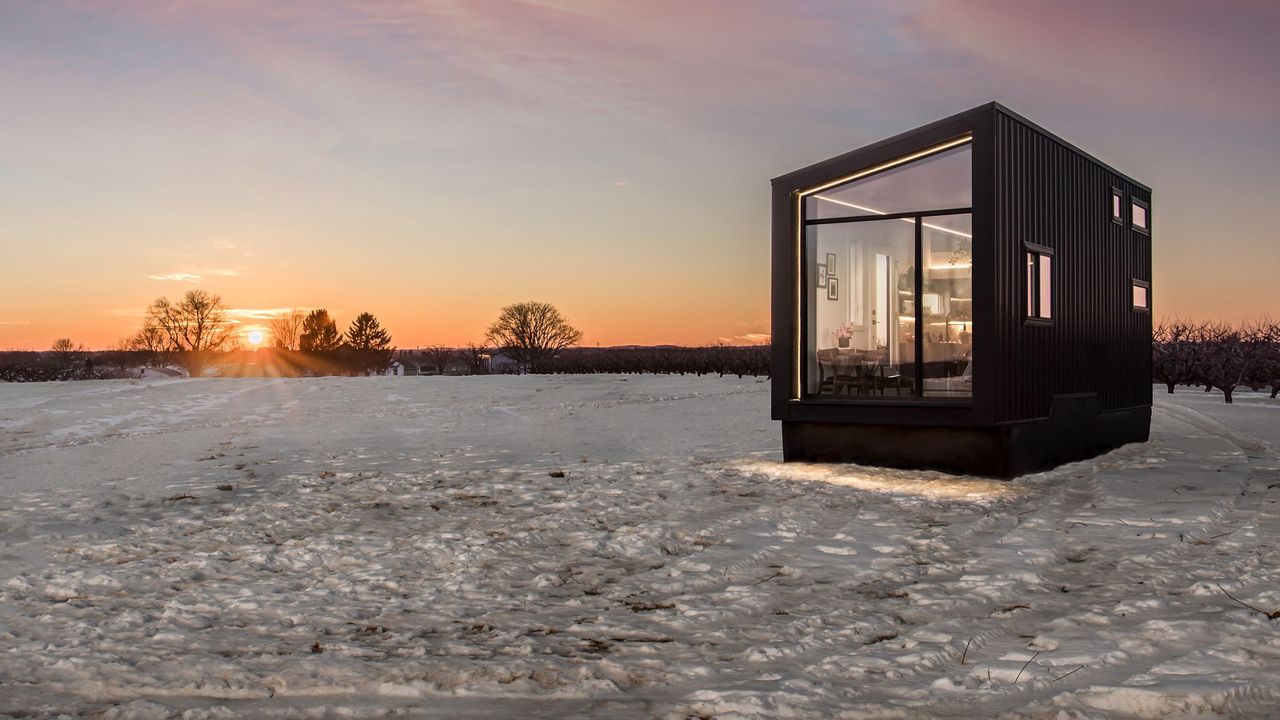
The Drive for Financial Freedom
One of the most powerful motivators behind the tiny home movement is the pursuit of financial independence. With the cost of housing skyrocketing, a traditional home with a 30-year mortgage can feel like an insurmountable burden. Tiny homes offer a compelling alternative.
- Lower Upfront Costs: Building or buying a tiny home is a fraction of the cost of a traditional house. This can eliminate decades of mortgage payments and the stress that comes with them. Many tiny home owners are able to pay for their homes outright, freeing up their income for other things.
- Reduced Living Expenses: A smaller space means smaller bills. Tiny homes require significantly less energy for heating and cooling, leading to lower utility costs. Property taxes, insurance, and maintenance expenses are also drastically reduce. This financial liberation allows people to save for retirement, travel, or simply enjoy a less stressful life.
- Minimalism as a Strategy: The tiny home lifestyle forces you to be intentional about what you own. Without the space for clutter, you’re encourage to live with only what you truly need and value. This shift in mindset leads to less consumer spending and a deeper appreciation for a simple, clutter-free environment.
A Commitment to Sustainable Living
As climate change becomes a more pressing global concern, the tiny home movement stands out as a powerful statement of environmental responsibility. A smaller footprint is an inherently greener one.
- Lower Energy Consumption: Tiny homes use a fraction of the energy of a conventional house. This is not only due to their small size but also because many build with superior insulation and design to maximize natural light and passive ventilation.
- Reduced Material Waste: The construction of a tiny home requires far fewer raw materials, which translates to less waste sent to landfills. Many builders also use reclaimed, recycled, or locally sourced materials, further reducing their environmental impact.
- Encouraging Self-Sufficiency: Many tiny home dwellers incorporate sustainable technologies like solar panels, composting toilets, and rainwater harvesting systems. This reduces their reliance on municipal services and encourages a more self-sufficient, low-impact lifestyle.
Beyond the Hype: The Pursuit of a Simpler Life
The tiny home movement is about more than just numbers on a balance sheet or an energy bill. It’s a psychological and philosophical shift away from the “more is better” mentality.
- Focus on Experiences: Without the time and money spent on maintaining a large home, tiny house owners find themselves with more freedom to pursue their passions. Whether it’s traveling, spending time in nature, or developing a new skill, a tiny home provides the flexibility to prioritize living over accumulating.
- Intentional Design: The design of a tiny home is a masterclass in efficiency and creativity. Every square inch is thoughtfully planned, with multi-functional furniture and clever storage solutions. This results in a living space that feels curated and cozy rather than cramped. It’s about designing a home that perfectly suits your needs, rather than filling a space that’s bigger than you need.
- Building Community: A significant portion of the tiny home community embraces communal living. Tiny home villages and communities are popping up, offering a chance to live in close proximity to like-minded individuals, sharing resources and building strong social bonds.
Conclusion: The Future is Small
The rise of the tiny home movement is a reflection of a broader societal desire for change. People are actively seeking an escape from the endless cycle of debt, the environmental impact of large homes, and the stress of a consumer-driven culture. By embracing the small home, they are reclaiming their financial freedom, living more sustainably, and creating a life that is intentionally designed for happiness. The tiny home isn’t a sacrifice; it’s a smart, liberating choice that proves that true wealth isn’t measured in square feet, but in the richness of your life.