When it comes to enhancing your home’s curb appeal, structural integrity, and overall value, few materials match the timeless beauty and durability of stone, brick, and concrete. Whether you want to build a stunning brick outdoor fireplace, repair a crumbling retaining wall, or install a elegant flagstone patio, masonry work is an investment that can last for generations.
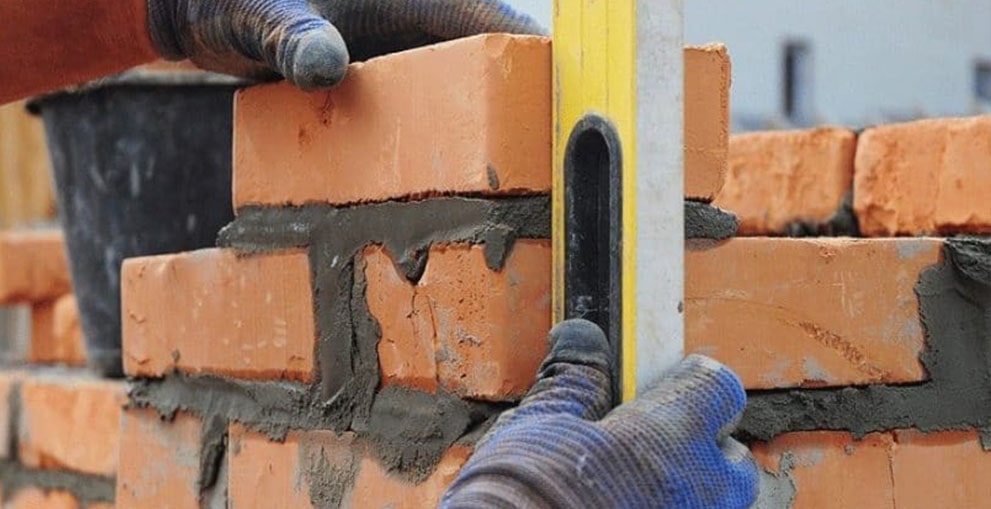
However, the success of these projects hinges entirely on the skill of the person doing the work. Masonry is a highly specialized trade that requires precision, physical stamina, and a deep understanding of materials and structural engineering. Hiring the wrong person can lead to structural failures, costly repairs, and significant stress. This comprehensive guide will walk you through everything you need to know to hire the right masonry contractor for your next home improvement project.
Understanding What a Masonry Contractor Does
Before you begin reaching out to professionals, it is helpful to understand the scope of masonry work. Masonry involves building structures from individual units, which are often laid in and bound together by mortar.
While some contractors are generalists, many specialize in specific materials or types of projects:
- Brickmasons: Specialize in laying brick walls, chimneys, fireplaces, and walkways.
- Stonemasons: Work with natural or manufactured stone to build custom retaining walls, facades, and patios. This requires a high level of artistry to fit irregularly shaped stones together perfectly.
- Concrete Block Masons: Focus primarily on structural elements, such as foundations, retaining walls, and commercial structural work.
Identifying the core material of your project will help you look for a contractor who possesses the specific skills required for your job.
Essential Steps Before You Reach Out
A successful project begins long before you make your first phone call. Taking the time to prepare will save you time and help you communicate effectively with potential contractors.
Define Your Project Scope
Be as specific as possible about what you want. Are you looking to repair an existing brick wall, or do you want to demolish it and build a new stone structure? Sketch out your ideas, note down approximate dimensions, and save photos of styles and finishes that inspire you.
Establish a Realistic Budget
Masonry work involves both high material costs and significant labor. Research average costs for similar projects in your area to establish a realistic baseline budget. Keep in mind that natural stone is generally more expensive to purchase and install than brick or manufactured stone veneer.
How to Vet and Select the Right Contractor
Once you are ready to start looking for professionals, do not simply pick the first name that pops up in a search engine. Follow this systematic vetting process to find a reliable, high-quality masonry contractor.
1. Verify Credentials and Insurance
This is the most critical step in protecting your home and finances. A reputable masonry contractor should hold a valid state or local contractor’s license, depending on your regional regulations. Furthermore, they must carry comprehensive general liability insurance and workers’ compensation insurance. Request copies of these certificates directly from the contractor or their insurance provider before signing any contract.
2. Review Their Portfolio and Experience
Ask to see a portfolio of completed projects. A seasoned contractor will proudly showcase their past work. Look closely at the details: are the mortar lines clean and uniform? Do the stones fit together snugly? If possible, ask for a list of recent references. Speaking directly with past clients gives you invaluable insight into the contractor’s punctuality, communication style, and professionalism.
3. Ask the Right Questions During the Interview
When you meet with potential contractors to get an estimate, treat it like a job interview. Some essential questions to ask include:
- How many years of experience do you have with this specific material?
- Will you be executing the work yourself, or will you be using subcontractors?
- What is the estimated timeline for completion, and how do you handle weather delays?
- How will you protect my existing landscaping and property from heavy equipment?
- What kind of warranty or guarantee do you offer on your craftsmanship?
Understanding Masonry Estimates and Contracts
It is highly recommended to get written estimates from at least three different contractors. However, remember that the lowest bid is not always the best choice. An unusually low bid might indicate that the contractor is using inferior materials, lacks proper insurance, or cuts corners during the preparation phase.
A professional estimate should be highly detailed, breaking down the costs of materials, labor, permits, and debris removal.
Once you choose a contractor, ensure everything you discussed is detailed in a written contract. The contract should explicitly state the payment schedule, start and completion dates, material specifications, and cleanup responsibilities. Avoid contractors who demand a massive upfront deposit; a standard practice is a reasonable deposit to secure the start date and cover initial material costs, followed by milestone payments as work progresses.
Conclusion
Hiring a masonry contractor is an investment in the long-term beauty and stability of your home. By clearly defining your project, thoroughly verifying credentials, and prioritizing craftsmanship over the cheapest price tag, you can avoid common remodeling pitfalls. A qualified, professional mason will not only transform your vision into reality but will also ensure that the structures they build remain beautiful and durable for decades to come.