For today’s young executive, a home is far more than just a place to sleep. It is a vital extension of their ambition, a space for sophisticated entertaining, a personalized wellness retreat, and a high-tech command center. Their home design must seamlessly blend cutting-edge aesthetics with unparalleled functionality, reflecting a lifestyle defined by efficiency, growth, and style.
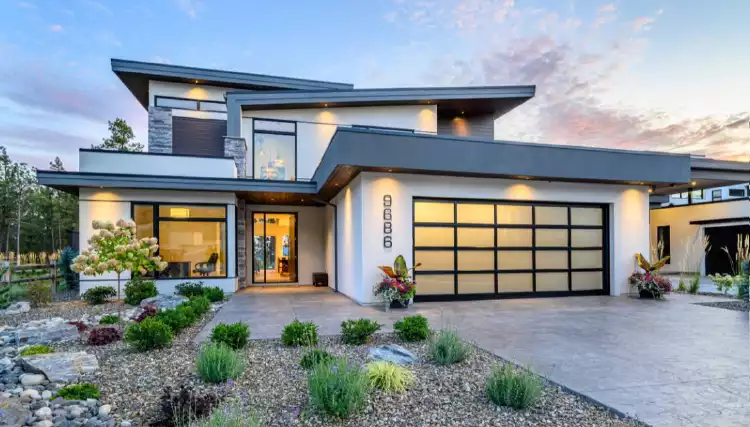
Moving beyond traditional layouts, young professionals are seeking designs that maximize space, embrace technology, and speak to a minimalist yet impactful sensibility. This article explores seven modern home design concepts perfectly tailored for the fast-paced, high-standard life of the rising executive.
1. Minimalist Zen: The Art of Less is More
The minimalist movement is perhaps the most fitting aesthetic for the busy professional. It is defined by clean lines, monochromatic color palettes (whites, grays, and blacks), and a commitment to keeping only essential, high-quality items.
Why it Works for Executives:
- Clarity and Focus: A clutter-free environment directly translates to a clutter-free mind, essential for maintaining focus after a demanding workday.
- High-Quality Materials: Minimalist design emphasizes quality over quantity. Think bespoke furniture, natural stone, and polished concrete, communicating success without ostentation.
- Easy Maintenance: Less stuff means less to clean, saving precious time for work or relaxation.
2. Industrial Chic: Raw Materials and Urban Edge
Inspired by converted lofts and factory spaces, Industrial Chic uses raw, utilitarian materials such as exposed brick, concrete floors, visible ductwork, and black metal accents. This design is rugged yet highly sophisticated.
Why it Works for Executives:
- Bold and Unconventional: This aesthetic makes a powerful statement, often appealing to executives in creative or tech industries who value originality.
- Open Concept Living: Industrial designs naturally favor vast, open layouts, perfect for large-scale entertaining or integrating a spacious home office zone.
- Durability: The inherent toughness of the materials makes the space highly durable and low-maintenance.
3. Scandinavian Functionality (Scandi-Modern)
Scandinavian design, or Scandi-Modern, combines minimalist principles with a focus on warmth, natural light, and comfort. Key elements include pale wood tones, muted colors (pastels and neutrals), and abundant natural textiles.
Why it Works for Executives:
- Hygee and Wellness: After intense work, the Scandi-Modern home offers a sense of hygge—coziness and well-being. It’s the perfect retreat for recharging.
- Natural Illumination: The design maximizes natural light, which is proven to boost mood and productivity, often crucial for professionals working from home.
- Smart Storage Solutions: Scandi designs are masters of hidden, built-in storage, keeping the space immaculate and functional.
4. Mid-Century Modern Revival: Timeless Sophistication
The Mid-Century Modern (MCM) style, popularized between the 1940s and 1960s, features clean lines, gentle organic curves, and a juxtaposition of different materials. Think teak furniture, tapered legs, and iconic pieces like Eames chairs.
Why it Works for Executives:
- Status and Legacy: MCM pieces are design classics, lending an air of intellectual sophistication and established taste to the home.
- Transitional Versatility: This style is less stark than pure minimalism, making it ideal for executives who need a space that feels professional for client meetings yet inviting for social gatherings.
- Seamless Indoor-Outdoor Flow: MCM homes often feature large windows or sliding glass doors, connecting the interior with outdoor patios or balconies—perfect for urban relaxation.
5. Smart Home Integration (Tech-Centric Design)
This concept isn’t strictly about aesthetic style but about prioritizing the seamless, invisible integration of technology into the structure and design of the home.
Why it Works for Executives:
- Ultimate Efficiency: Automated lighting, climate control, security, and entertainment systems controlled by voice or app create the most efficient and responsive living environment.
- Productivity Hubs: Integrated charging stations, hidden wires, and ergonomic home office setups are built directly into the architecture, not just added later.
- Future-Proofing: Executives value innovation; a tech-centric home is designed with infrastructure that can easily adapt to the next wave of smart technology.
6. Japandi: The Harmonious Hybrid
Japandi is the elegant fusion of Japanese and Scandinavian design principles. It marries the rustic warmth of Scandi design with the refined simplicity of Japanese aesthetics. It emphasizes natural materials, muted tones, and impeccable craftsmanship.
Why it Works for Executives:
- Balanced Tranquility: Japandi achieves a deeper level of calm than other styles. The emphasis on empty space, natural wood, and light fabrics creates a deeply restful atmosphere.
- Sustainability Focus: Both Japanese and Scandinavian cultures highly value sustainability and long-lasting materials, appealing to the environmentally conscious professional.
- Functional Beauty: Every item serves a purpose and contributes to the overall beauty, eliminating visual noise and reinforcing a deliberate, intentional lifestyle.
7. Biophilic Design: Bringing the Outside In
Biophilic design incorporates natural elements—such as abundant sunlight, indoor plants, natural materials (wood, stone), and views of nature—into the built environment.
Why it Works for Executives:
- Stress Reduction: Studies show that connection to nature lowers blood pressure and stress levels. For high-performing individuals, this is a critical design feature.
- Air Quality and Wellness: Large indoor plants (like Fiddle Leaf Figs or Snake Plants) and increased ventilation contribute to better indoor air quality, promoting health.
- A Softer Modernism: Biophilia softens the cold edges often associated with modern design, making the space feel vibrant and alive, a true contrast to the sterile office environment.
Conclusion: Designing for Success and Sanctuary
For the young executive, the home is a pivotal investment—not just financial, but personal. The most successful modern designs for this demographic prioritize functionality, leverage technology, and create a sophisticated retreat from the high demands of professional life. Whether opting for the pure discipline of Minimalist Zen or the warm artistry of Japandi, the goal remains the same: a beautiful, intentional space that supports productivity and nurtures well-being. Choosing one of these styles means designing a life, not just a house.