Embarking on a home remodeling journey is an exhilarating venture. Whether it is a kitchen overhaul, a master suite expansion, or a complete basement transformation, the design phase is where dreams begin to take shape on paper. However, a common pitfall for many homeowners is falling in love with a design that is either structurally impossible or financially ruinous.
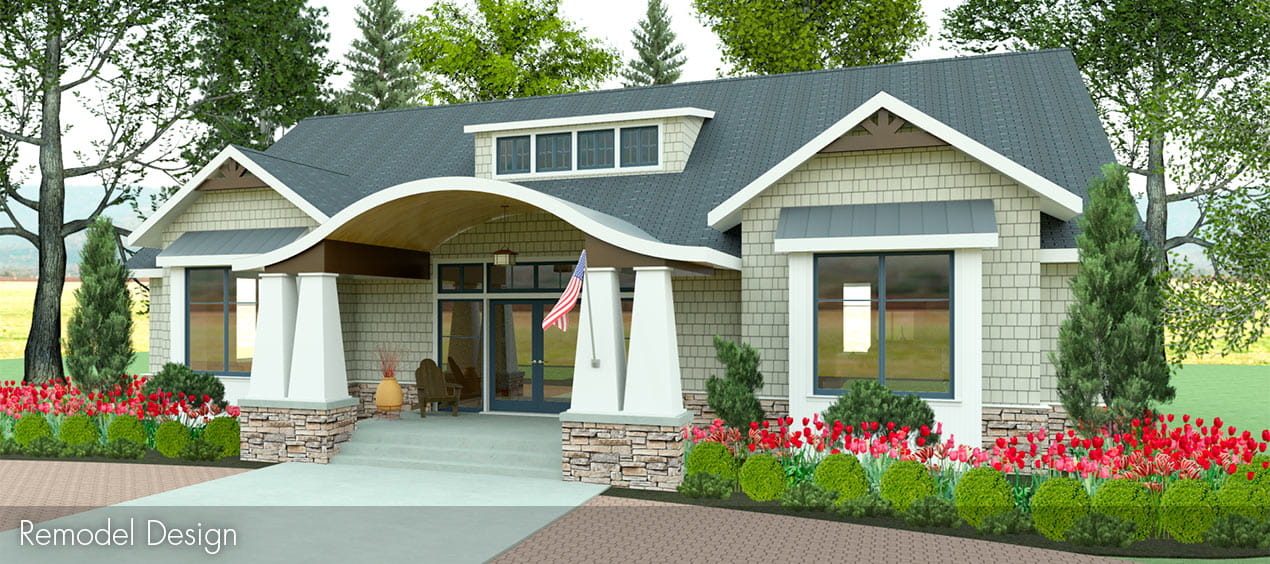
The bridge between a beautiful blueprint and a successful build is the expertise of a professional contractor. To ensure your vision can actually be brought to life, you must involve a builder early in the process. Before you sign off on a final design, there are critical questions you must ask to ensure the project remains grounded in reality.
Is the Design Structurally Feasible and Code-Compliant?
The most breathtaking architectural designs often involve removing walls to create open-concept spaces or adding large windows to invite natural light. However, what looks simple on a floor plan can be incredibly complex behind the drywall.
Before finalizing your design, ask your contractor if the proposed changes involve load-bearing walls. If they do, the contractor will need to discuss the necessity of structural beams, which can significantly alter both the aesthetic and the budget. Additionally, you must ask about local building codes and zoning laws. A design that exceeds the allowable “lot coverage” or violates setback requirements will be rejected by the city, wasting weeks of planning time. A seasoned contractor knows the local landscape and can flag these issues before they become expensive mistakes.
What Are the Hidden “Behind-the-Wall” Implications?
Designers focus on the “visible”—the cabinets, the flooring, and the layout. Contractors, however, focus on the “invisible.” When you move a sink from one side of the kitchen to an island, you aren’t just moving a fixture; you are rerouting plumbing, venting, and potentially electrical lines.
Ask your contractor: “Based on the age of my home, what infrastructure upgrades will this design trigger?” If your remodel involves high-end appliances or smart home technology, your existing electrical panel may not be sufficient. In older homes, opening a wall might reveal outdated galvanized pipes or knob-and-tube wiring that must be replaced by law once disturbed. Knowing these implications during the design phase allows you to adjust the scope or the budget accordingly.
How Will Material Choices Impact the Timeline and Budget?
In the current global market, material availability is as important as material cost. A specific type of Italian marble or a custom-built vanity might look perfect in a 3D rendering, but if it has a six-month lead time, it could paralyze your entire project.
Consult your contractor about the lead times for the specific materials mentioned in your design. Ask for their opinion on the durability and maintenance of your choices. For instance, while a certain hardwood might be aesthetically pleasing, a contractor might suggest a high-end engineered alternative if you have pets or live in a humid climate. Bridging the gap between “design-forward” and “builder-practical” ensures that your home doesn’t just look good on day one, but stays looking good for years to come.
Can We Perform a “Value Engineering” Review?
“Value Engineering” is a professional term for finding ways to achieve the same design intent at a lower cost or with less complexity. This is perhaps the most important conversation you can have with a contractor before the design is set in stone.
Ask the contractor: “Are there elements in this design that are driving up the cost without adding significant value?” Sometimes, moving a wall just six inches can double the plumbing costs due to a main stack location. By asking for an honest assessment, you might find that a slight adjustment to the layout saves thousands of dollars—money that could be better spent on higher-quality finishes or hidden upgrades like radiant floor heating.
What Does the Logic of the Construction Phase Look Like?
A design shouldn’t just be a destination; it should be a roadmap. Ask your contractor about the “logistics of the build” based on the current design. This includes questions about site access, dust containment, and whether you can realistically stay in the home during the renovation.
If the design requires heavy machinery or the removal of a roof section, your daily life will be significantly impacted. Understanding the sequence of events helps you prepare mentally and financially. Furthermore, ask about the estimated duration of the project. A design that requires complex custom millwork will naturally take much longer than one utilizing semi-custom options.
How Will Change Orders Be Handled?
Even the most perfect design encounters surprises once construction begins. Before you start, you need to understand the contractor’s process for “Change Orders.” A change order occurs when work is added to or deleted from the original scope, often because of an unforeseen structural issue or a late-stage design change by the homeowner.
Ask: “What is your protocol if we find an issue behind the walls that contradicts the design?” Knowing the mark-up rates and the documentation process for changes prevents disputes later. It also encourages you to be as thorough as possible during the design phase to minimize the need for these costly mid-project pivots.
Conclusion: Collaboration Over Isolation
The most successful home renovations are the result of a “triad” of collaboration: the homeowner’s vision, the designer’s creativity, and the contractor’s technical reality. By asking these tough questions before the design is finalized, you move from a position of hope to a position of knowledge.
A contractor’s input is not meant to stifle creativity; rather, it is meant to protect your investment. When you bridge the gap between design and construction early, you reduce stress, eliminate budget overruns, and ensure that the finished product is exactly what you envisioned—or perhaps even better. Remember, the best time to find out a design won’t work is when it is still on paper, not when your kitchen is gutted and your budget is exhausted.